Key drivers of industrial development in Central Asian countries and Uzbekistan, labor force potential, and the strategic role of the Central Asia Smart City project in regional development
Introduction
Central Asian countries, particularly Uzbekistan, have accelerated industrialization in recent years. The region’s geostrategic location, natural resources, young demographics, energy potential, and liberalization of state policies have created strong opportunities for investment. Simultaneously, modern industrial clusters, logistics hubs, and digital infrastructure have become essential. In this context, the Central Asia Smart City project is emerging as a transformative platform capable of elevating industrial production to a new level.
1. Key drivers of industrial development in Central Asia
1.1. Geostrategic location
Transit bridge between Europe and Asia
Major China–Europe freight flows pass through the region
Key corridors: Trans-Caspian, Uzbekistan–Afghanistan–Pakistan, Belt & Road
1.2. Natural resources and raw material base
Uzbekistan: gold, copper, uranium, gas, cotton, chemical feedstock
Kazakhstan: oil, gas, metallurgy
Turkmenistan: gas, polymers
Kyrgyzstan & Tajikistan: hydropower
These resources enable the development of deep-processing industries.
1.3. Digital transformation and modernization
Energy-efficient technologies
ERP systems, IoT, industrial automation
Digital government and logistics platforms
1.4. Investment environment and government incentives
Expanded tax exemptions
Growing network of Free Economic Zones
Liberal policies on currency regulation, customs, and investment protection
2. Factors shaping industrial growth in Uzbekistan
2.1. Demographic advantage — young and affordable labor
65% of the population is under 35
Competitive labor costs
Rapidly developing technical and IT education
2.2. Large domestic market
800,000+ new jobs needed annually
High demand for construction materials, electronics, food, chemicals
2.3. Focus on infrastructure development
Modernization of power generation
Expansion of road and rail networks
Digitalization of water and utility systems
2.4. Export-oriented industrial strategy
Growth in export of high value-added products
3. Labor force potential in the region
3.1. Abundant workforce
Over 600,000 young individuals enter the labor market each year
Increasing number of engineers, technologists, construction specialists, and IT experts
3.2. Balance between cost and qualification
Competitive wage levels
Affordable training and education
3.3. Regional labor mobility
Active migration between Uzbekistan, Kazakhstan, and Kyrgyzstan
Strong potential for cross-border industrial–educational ecosystem
4. Role of Central Asia Smart City in regional development
Central Asia Smart City is positioned as the largest integrated platform connecting industry, logistics, tourism, education, and innovation.
4.1. Industrial cluster development
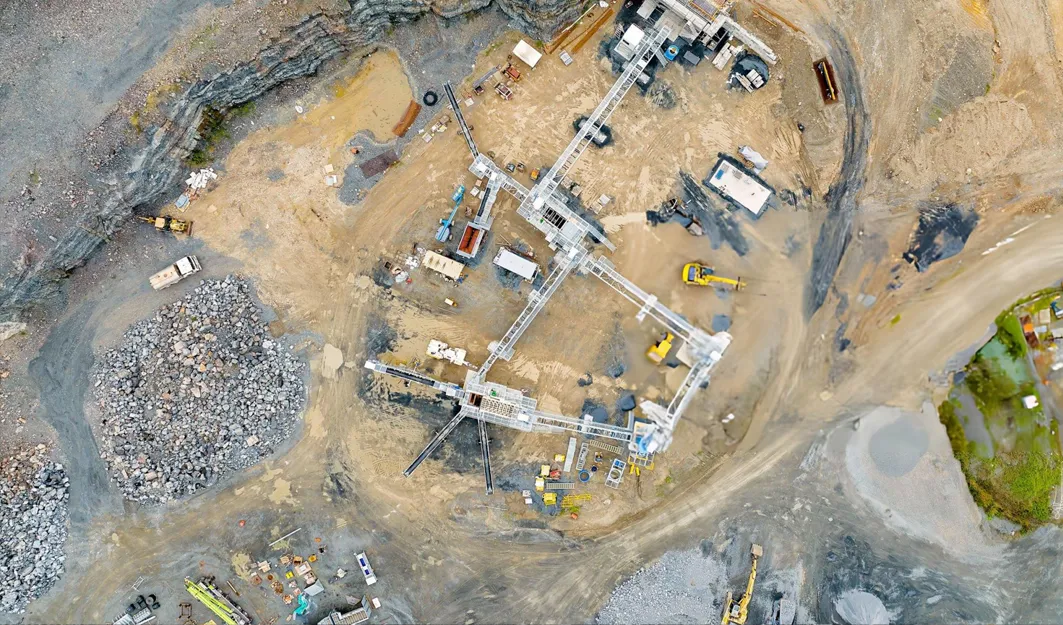
The 6,400-hectare territory includes:
2,200 ha industrial zone
2,200 ha logistics zone
2,000 ha smart city & services area
This supports:
Export-oriented industries
High-value manufacturing
Increasing local content
4.2. Unified logistics and distribution hub
Integration with Trans-Caspian and China–Europe corridors
24/7 digital customs
Smart trucking and multimodal terminals
4.3. Technoparks and university ecosystem
University of Knowledge and Technologies:
10,000–15,000 students
R&D labs
Startup incubators
Partnerships with Korea, Japan, Turkey, Europe
4.4. Labor productivity technologies
Smart energy systems
Digital Twin control centers
IoT-enabled industrial zones
AI-driven logistics optimization
4.5. Socio-economic impact
The project will:
Create 200,000+ jobs
Generate billions of dollars in trade turnover
Become a new industrial nucleus for Uzbekistan
Accelerate development of Angren Valley and Tashkent region
Conclusion
Industrial growth in Central Asia — especially in Uzbekistan — is driven by demography, market size, investment climate, and geostrategic advantages. Central Asia Smart City serves as a central engine of this transformation, integrating industry, innovation, logistics, and education into one ecosystem and reshaping the economic landscape of the region.